The Shepherd Who Taught Himself Chemistry and Accidentally Cured a Disease No One Else Was Looking For

The Night Everything Changed
Jonas Kellerman was counting sheep when his world collapsed. Not metaphorically—literally counting his flock under the vast Montana sky in October 1923, when his neighbor's frantic shouts cut through the evening air. His eight-year-old daughter Sarah had collapsed again, this time worse than before.
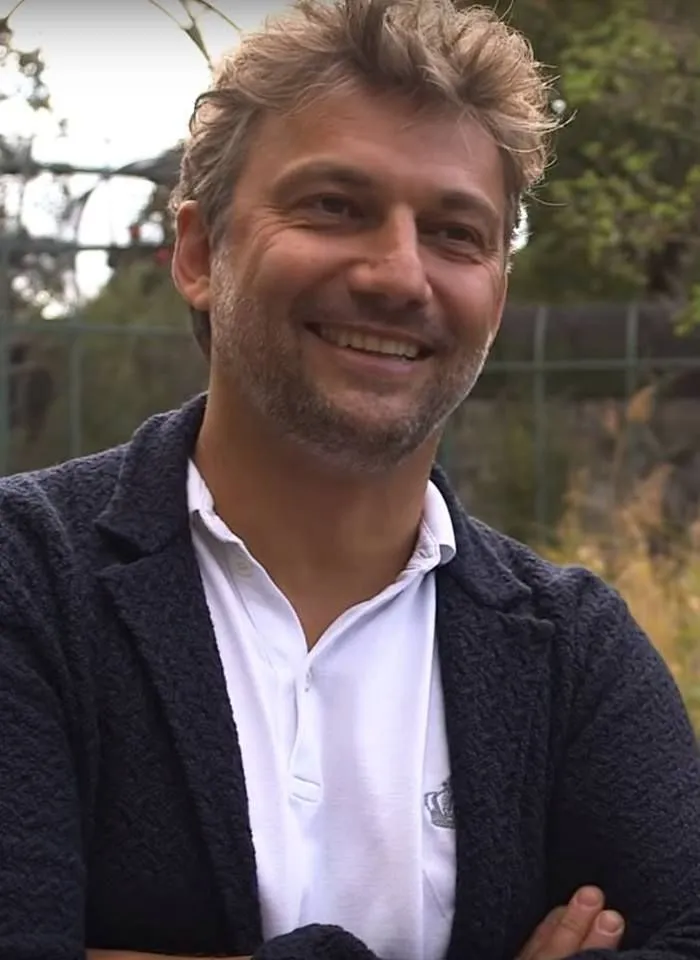 Photo: Jonas Kellerman, via i.pinimg.com
The local doctor had already given his verdict: "It's in God's hands now." Sarah suffered from what physicians called "mountain sickness"—a wasting disease that struck children in isolated mining communities across the American West. No one understood it. No one was really trying to.
But Jonas Kellerman wasn't like most people. The 34-year-old shepherd had dropped out of school in sixth grade to work his family's ranch, but he possessed something no amount of formal education could teach: an unshakeable belief that every problem had a solution if you were willing to dig deep enough to find it.
When Desperation Becomes Discovery
After Sarah's funeral, Kellerman made a decision that would have seemed absurd to anyone who knew him. This man who had never set foot in a laboratory, who could barely afford to keep his ranch running, decided he was going to solve a medical mystery that had stumped trained physicians for decades.
He sold half his sheep and used the money to order chemistry textbooks from back East. Night after night, by the light of a kerosene lamp, he taught himself the fundamentals of organic chemistry, biochemistry, and toxicology. His neighbors thought grief had driven him mad.
"Jonas spent three years learning what takes college students four years to learn," recalled Dr. Martha Henley, who would later become his unlikely collaborator. "But he had something those students didn't have—a burning need to understand."
Kellerman's approach was methodical and relentless. He documented everything: the symptoms he'd observed in Sarah, the timing of other cases in the valley, the seasonal patterns, even the behavior of livestock. What he discovered would challenge everything the medical establishment thought they knew.
The Outsider's Advantage
The breakthrough came in 1926, during Kellerman's fourth winter of self-education. While reviewing his notes, he noticed something the doctors had missed: every case of "mountain sickness" occurred in families who relied heavily on preserved foods during the harsh winter months. More specifically, families who used a particular type of salt-cured meat.
Trained physicians had dismissed this connection because the preservation methods had been used for generations without obvious problems. But Kellerman, unburdened by conventional wisdom, kept digging. Using chemistry equipment he'd cobbled together in his barn, he began analyzing samples of the cured meat.
What he found was revolutionary: the traditional salt-curing process, when combined with certain atmospheric conditions common at high altitudes, was creating a previously unknown toxic compound. The "mountain sickness" wasn't a disease at all—it was slow poisoning.
Fighting the Medical Establishment
When Kellerman tried to publish his findings, the medical community's response was swift and brutal. Who was this uneducated rancher to challenge established medical knowledge? His paper was rejected by every major journal. Conferences wouldn't give him speaking time. One prominent physician publicly dismissed him as "a grieving father seeing patterns that don't exist."
But Kellerman had something more powerful than credentials: he had proof. Working with families in his valley, he helped them modify their food preservation methods. Within months, new cases of "mountain sickness" virtually disappeared. Word spread through the mountain communities like wildfire.
Dr. Henley, initially skeptical, agreed to review his work only as a favor to a mutual friend. "I expected to find amateur mistakes," she later wrote. "Instead, I found some of the most rigorous chemical analysis I'd ever seen. Jonas had essentially reinvented modern toxicology from first principles."
The Vindication
By 1928, Kellerman's discovery had caught the attention of researchers at Johns Hopkins University. When they replicated his experiments, they found he was absolutely correct. The toxic compound he'd identified was not only real but explained similar mysterious illnesses reported in isolated communities across three continents.
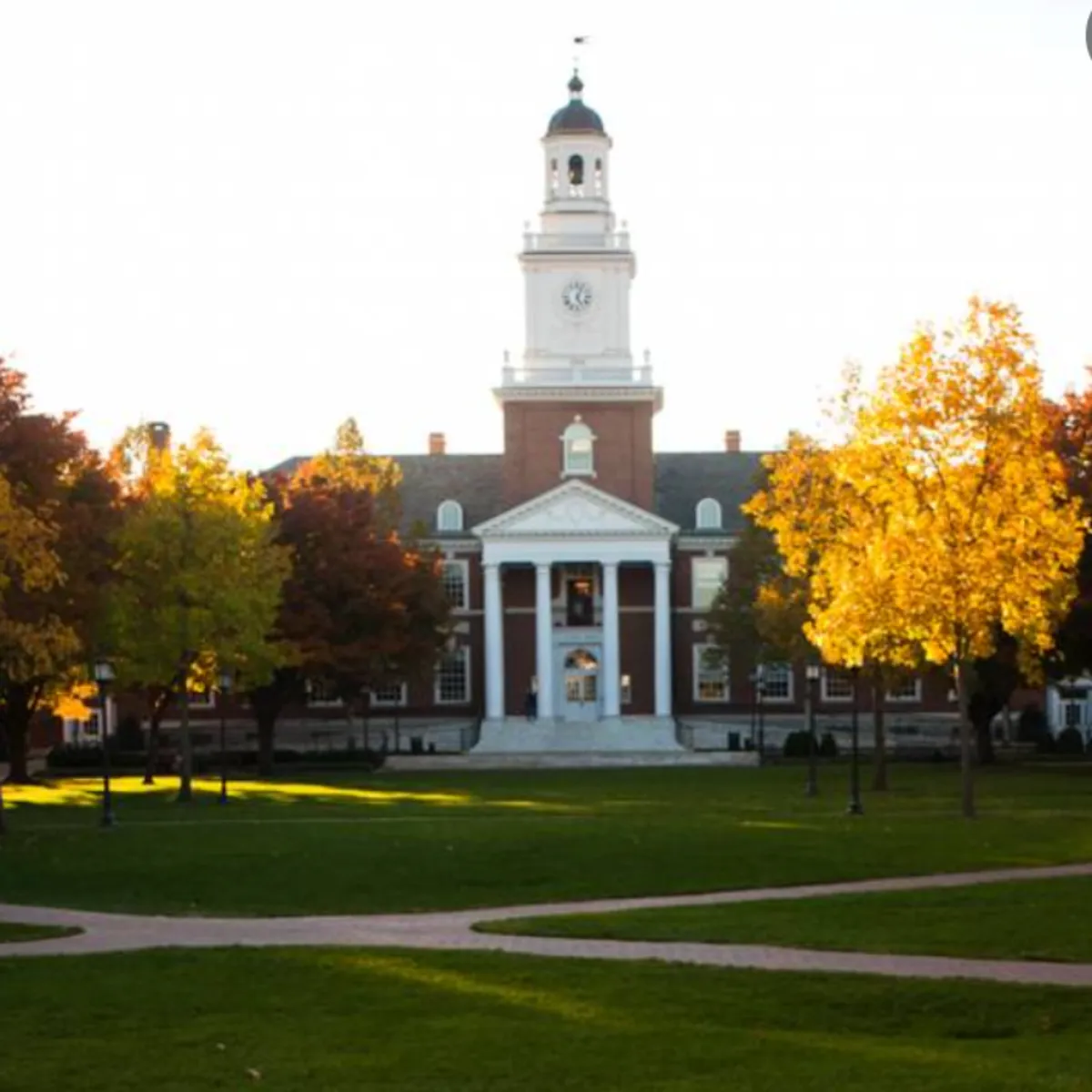 Photo: Johns Hopkins University, via www.hillel.org
The medical establishment that had once scorned him now clamored for his collaboration. Kellerman's work led to new food safety protocols that prevented thousands of deaths. He was offered positions at major universities, but he declined them all. He had sheep to tend and neighbors to help.
The Science of Seeing Differently
Kellerman's story reveals something profound about how discovery really works. While trained scientists were looking for exotic diseases and rare genetic conditions, an untrained shepherd saw something simpler and more fundamental: people were being slowly poisoned by their food.
His lack of formal training wasn't a handicap—it was his secret weapon. He wasn't bound by the assumptions and blind spots that years of conventional education can create. He could see patterns that experts missed because he wasn't trained to ignore them.
"Jonas proved that science isn't about degrees or institutions," Dr. Henley reflected years later. "It's about curiosity, persistence, and the courage to question what everyone else accepts as fact."
The Legacy of Unlikely Genius
Jonas Kellerman never called himself a scientist, even after his discoveries revolutionized food safety protocols worldwide. He remained a shepherd until his death in 1954, but his work saved millions of lives and opened new fields of research into environmental toxicology.
His story serves as a powerful reminder that breakthrough discoveries often come from the margins, from people who see problems differently because they stand outside the conventional wisdom. In a world that increasingly values credentials over curiosity, Kellerman's legacy asks a crucial question: how many other Jonas Kellermans are out there, teaching themselves chemistry by lamplight, seeing solutions that the experts are missing?
Sometimes the most important discoveries happen not in gleaming laboratories, but in the hands of people who refuse to accept that some problems are unsolvable. Sometimes the person best equipped to cure a disease is the one who loved someone enough to teach themselves chemistry from scratch.