Dear Genius: The Rejection Letters That Missed History by a Mile

When "No" Meant "Not Yet"
Somewhere in filing cabinets and forgotten archives across America, rejection letters gather dust like time bombs of irony. Each one represents a moment when institutional wisdom met genuine genius—and chose to pass.
These aren't stories about persistence eventually paying off. They're stories about how the very people tasked with recognizing talent can be breathtakingly bad at their jobs.
The Novelist Who "Couldn't Write"
The Rejection: "Your submission lacks commercial appeal and shows poor understanding of contemporary literary standards. We suggest you consider a career outside writing."
The Writer: John Steinbeck
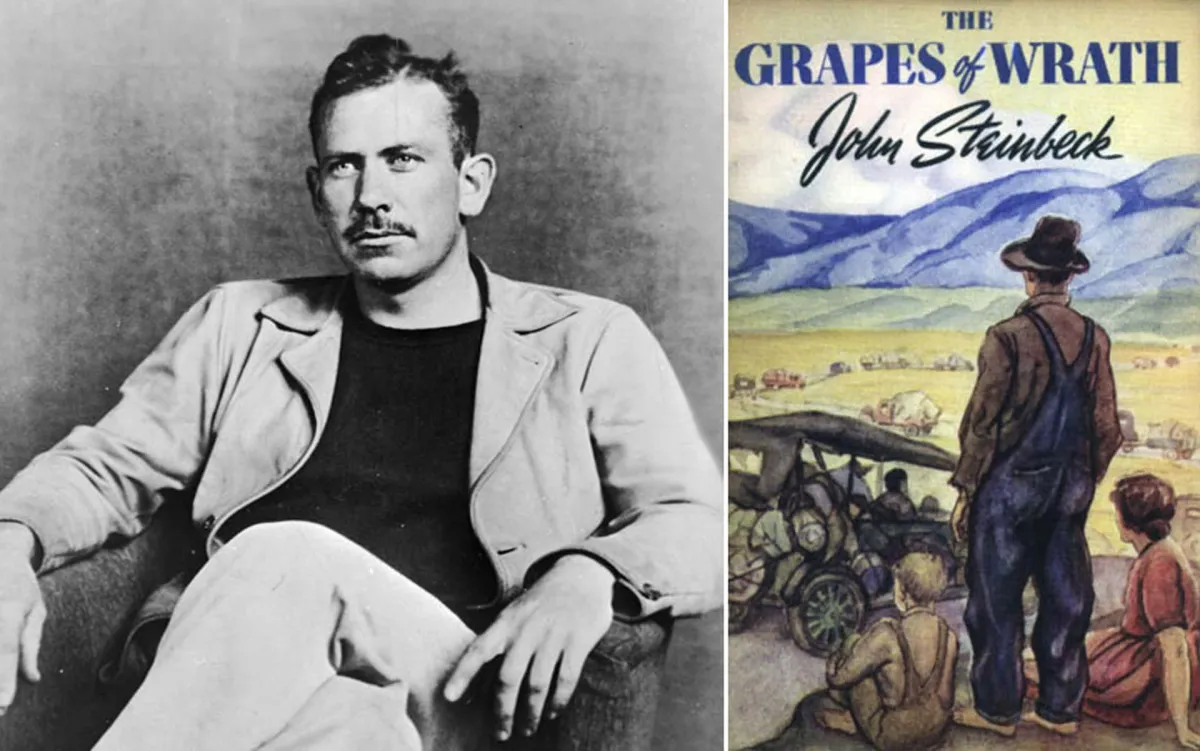 Photo: John Steinbeck, via www.telegraph.co.uk
The Aftermath: The Grapes of Wrath, Of Mice and Men, Nobel Prize in Literature
McGraw-Hill's 1935 rejection of Steinbeck's early work reads like satire today. The editor who wrote it apparently missed the author's "poor understanding" of how to capture the American experience, chronicle social injustice, and create characters that would define generations of readers.
Steinbeck kept the letter framed in his writing room—not as motivation, but as a reminder that publishers are often the last people to recognize publishing gold.
The same editor later claimed he "always knew" Steinbeck had potential. The rejection letter suggests otherwise.
The Entrepreneur Who "Lacked Business Sense"
The Rejection: "Restaurant concepts require sophisticated understanding of hospitality management. Your background in frying chicken does not qualify you for serious restaurant investment."
The Applicant: Colonel Harland Sanders
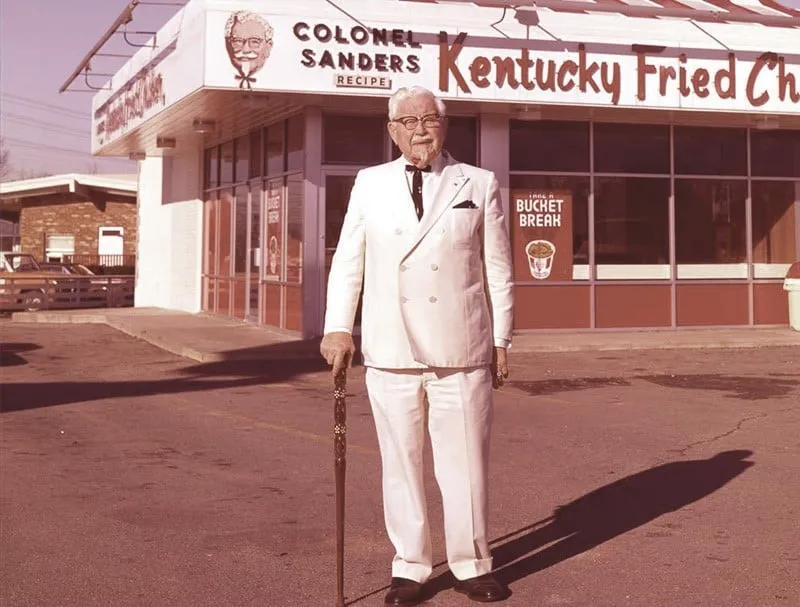 Photo: Colonel Harland Sanders, via decideursnews.com
The Aftermath: KFC, 24,000 locations worldwide, $27 billion in annual revenue
At age 62, Sanders had been rejected by over 1,000 restaurants when this particular bank loan officer decided his chicken recipe wasn't worth financing. The rejection letter, discovered in Sanders' personal papers, reveals the stunning myopia of "expert" business judgment.
The loan officer noted that Sanders' "advanced age" and "lack of formal business education" made him a poor investment risk. He suggested Sanders consider "more realistic retirement planning."
Instead, Sanders slept in his car and pitched his recipe door-to-door until someone said yes. That someone built the foundation of a global empire.
The bank that rejected him? It's now a KFC.
The Athlete Who "Wasn't College Material"
The Rejection: "While we appreciate your interest in our basketball program, your academic record and physical attributes do not meet our scholarship standards. We encourage you to pursue other opportunities."
The Player: Michael Jordan
 Photo: Michael Jordan, via i.pinimg.com
The School: University of North Carolina (initial recruitment letter)
The Aftermath: Six NBA championships, global icon, $2.1 billion net worth
This rejection preceded Jordan's legendary high school cut from varsity basketball, but it's even more revealing. UNC's assistant coach wrote that Jordan "lacks the height and strength necessary for competitive college basketball."
The same coach later recruited Jordan aggressively after watching him play summer league. But the damage was done—the letter became Jordan's motivation throughout his college career.
Jordan kept the rejection in his locker at UNC, then in his Bulls locker, then in his office. It traveled with him as a reminder that expert evaluation often says more about the evaluator than the evaluated.
The Inventor Who "Misunderstood Technology"
The Rejection: "Your proposal demonstrates fundamental misunderstanding of computer capabilities. Personal computers have no practical application in American homes or businesses."
The Inventor: Steve Jobs
The Company: Hewlett-Packard (1976)
The Aftermath: Apple Inc., $3 trillion market cap, computing revolution
HP's rejection of Jobs' personal computer proposal is a masterpiece of technological shortsightedness. The letter, written by an unnamed engineering manager, explained that computers were "specialized tools for trained professionals" with no consumer market potential.
The manager noted that Jobs' vision of "computers in every home" showed "unrealistic expectations about consumer behavior and technological adoption rates."
Jobs framed the letter and hung it in Apple's first office. When Apple's market cap exceeded HP's in 2010, he reportedly sent the manager a copy with a simple note: "Thanks for the motivation."
The Scientist Who "Lacked Proper Training"
The Rejection: "While your enthusiasm is commendable, formal scientific research requires advanced degrees and institutional affiliation. Your background in agriculture does not qualify you for serious botanical research."
The Scientist: George Washington Carver
The Institution: U.S. Department of Agriculture (1896)
The Aftermath: 300+ inventions, agricultural revolution, Tuskegee Institute legend
The USDA's rejection of Carver's research proposal reveals the institutional racism and credentialism that nearly derailed one of America's greatest scientists. The letter dismissed his "informal education" and "unconventional methods" as incompatible with "serious scientific inquiry."
Carver's response was to conduct his research independently, developing crop rotation techniques and plant-based innovations that revolutionized Southern agriculture. When the USDA finally recognized his work decades later, they offered him the position he'd originally sought.
He declined. By then, Tuskegee had become a more prestigious platform than anything Washington could offer.
The Pattern Behind the Rejections
These letters share common threads that reveal how institutions miss greatness:
Credentialism over creativity: Each rejection prioritized formal qualifications over demonstrated ability.
Conventional wisdom over innovation: Gatekeepers applied existing standards to revolutionary ideas.
Safe bets over big swings: Institutions chose predictable mediocrity over uncertain brilliance.
Past performance over future potential: Evaluators couldn't see beyond current circumstances.
The Last Laugh
Today, these rejection letters serve as monuments to institutional fallibility. They remind us that the people with power to say "yes" or "no" are often the least qualified to make that judgment.
More importantly, they prove that rejection from the establishment isn't evidence of failure—it's often evidence of being ahead of your time.
Somewhere today, another rejection letter is being written to another future legend. History suggests it will age about as well as these five did.