The School Builder: How a Farm Girl Locked Out of College Created Her Own University
Mary McLeod Bethune had exactly $1.50 in her pocket when she decided to build a college. It was 1904, and the fifteenth child of former slaves had just been turned away from every institution of higher learning she could find. But instead of accepting that higher education wasn't meant for someone like her, Bethune did something audacious: she decided to create her own.
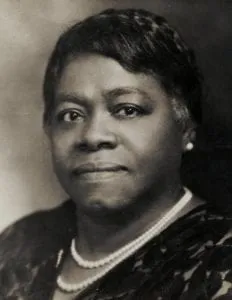 Photo: Mary McLeod Bethune, via sites.uw.edu
The Dream That Wouldn't Die
Born in 1875 on a South Carolina cotton farm, Bethune was the first in her family born into freedom. Her parents, Samuel and Patsy McLeod, had been enslaved on neighboring plantations, and education was something they could only dream about. But Mary was different — she possessed an unquenchable thirst for learning that her parents recognized and nurtured despite their poverty.
When a Presbyterian missionary established a school nearby, young Mary walked five miles each way to attend classes. She excelled so dramatically that her teachers arranged for her to attend Scotia Seminary (now Barber-Scotia College) in North Carolina, where she graduated in 1893.
Bethune's plan was to become a missionary in Africa, but the Presbyterian Church rejected her application. The reason was never explicitly stated, but the message was clear: even educated Black women weren't welcome in certain roles. Rather than abandon her calling to educate and uplift, Bethune decided to redirect that mission closer to home.
Starting from Nothing
In 1904, Bethune arrived in Daytona Beach, Florida, with her son Albert and virtually no money. The growing railroad town was attracting Black workers, but their children had nowhere to receive an education. Bethune saw opportunity where others saw only obstacles.
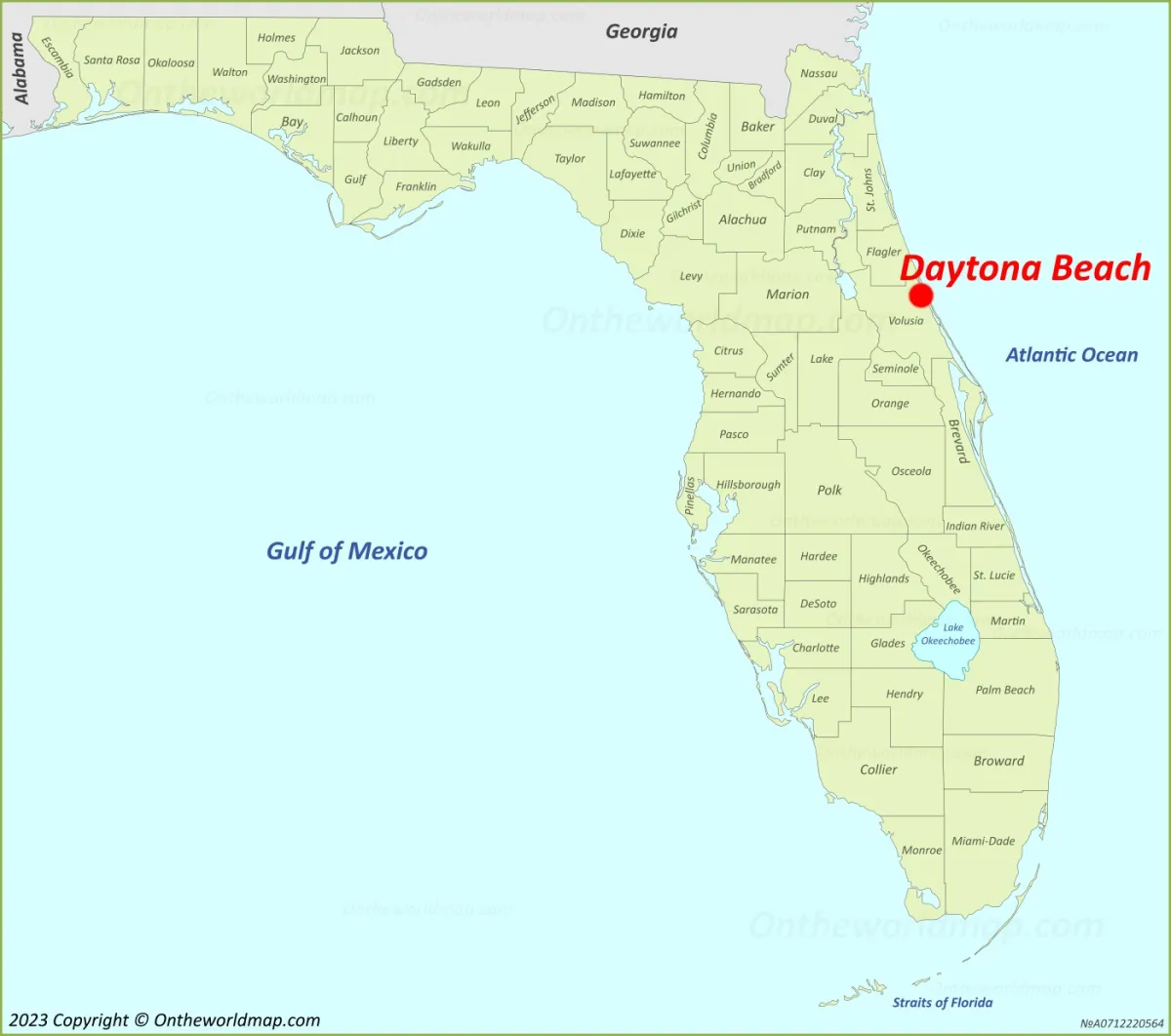 Photo: Daytona Beach, Florida, via ontheworldmap.com
She rented a small house for $11 per month — a sum that represented nearly everything she had. For furniture, she scavenged wooden crates from the nearby dump, which she transformed into desks and chairs. Burnt elderberries became ink, and charcoal served as pencils. When she needed paper, she convinced local businesses to donate their discarded materials.
On October 3, 1904, the Daytona Normal and Industrial Institute for Negro Girls opened its doors to five students, ages six to twelve. Bethune served as principal, teacher, janitor, and fundraiser all at once. The "campus" consisted of that single rented house, but Bethune's vision extended far beyond those humble walls.
Building Against the Odds
Running a school with no money required creativity that bordered on genius. Bethune organized her students to make and sell ice cream and sweet potato pies to raise funds. She convinced local hotels to donate their leftover food, which she and her students would distribute to needy families — building community goodwill while feeding hungry children.
When she needed to expand, Bethune identified a nearby dump site that could be transformed into a campus. The asking price was $250 — money she didn't have. Undeterred, she negotiated a payment plan and organized community work parties to clear the land. Students, parents, and volunteers worked together to remove trash and debris, literally building their school from the ground up.
Bethune's fundraising efforts were legendary. She would travel to wealthy Northern resort areas, approaching potential donors with a combination of dignity, determination, and undeniable passion for her cause. She understood that people didn't just give money to institutions — they invested in dreams that inspired them.
The Vision Expands
What started as an elementary school for five girls gradually expanded into something much larger. Bethune added grades year by year, always staying just ahead of her students' needs. By 1912, the school included high school classes. In 1923, it merged with Cookman Institute to become Bethune-Cookman College, offering four-year degrees.
Bethune's educational philosophy was revolutionary for its time. While many Black educational institutions focused solely on vocational training, she insisted on combining practical skills with liberal arts education. Her students learned typing and sewing, but they also studied literature, science, and philosophy. She believed that true education meant preparing students not just for jobs, but for leadership.
The campus grew to include dormitories, classrooms, a library, and even a hospital that served the broader Black community when other medical facilities turned them away. What had begun as one woman's response to rejection had become a beacon of hope and opportunity.
Beyond the Campus
Bethune's influence extended far beyond education. She founded the National Council of Negro Women, served as an advisor to four U.S. presidents, and became one of the most powerful advocates for civil rights in America. But she never forgot that her greatest accomplishment was the institution she built from nothing.
By the time of her death in 1955, Bethune-Cookman College had educated thousands of students who went on to become teachers, doctors, lawyers, and leaders in their communities. The school that started with five students and $1.50 had become a fully accredited university with over 40,000 alumni.
The Legacy of Refusing 'No'
Today, Bethune-Cookman University continues to thrive as a historically Black institution, educating students who might not otherwise have access to higher education. The campus that began on a dump site now spans 74 acres and serves nearly 4,000 students annually.
 Photo: Bethune-Cookman University, via i1.ytimg.com
Mary McLeod Bethune's story reminds us that when the world says "no," the most powerful response might not be to find another door — sometimes it's to build an entirely new building. She proved that the greatest institutions aren't always the oldest or the richest, but the ones founded on the unshakeable belief that everyone deserves a chance to learn and grow.
Her life's work stands as testament to a simple but revolutionary idea: if you can't find the education you need, create it for others who will come after you. Sometimes the most lasting victories come not from breaking down barriers, but from building bridges that others can cross for generations to come.
In a world that told her she wasn't college material, Mary McLeod Bethune didn't just prove them wrong — she redefined what college could be.