Five Times the 'Safe Choice' Almost Erased a Legend: The Backup Plans That Nearly Swallowed History

When Playing It Safe Almost Changed Everything
History loves to celebrate the moment of triumph, but it rarely talks about the moment of almost-surrender. Behind every legendary career lies a crossroads where safety beckoned and greatness seemed impossible. These are the stories of five times when playing it safe nearly cost the world its most transformative voices.
1. The Day Walt Disney Almost Became an Insurance Salesman
The Moment: October 1922, Kansas City
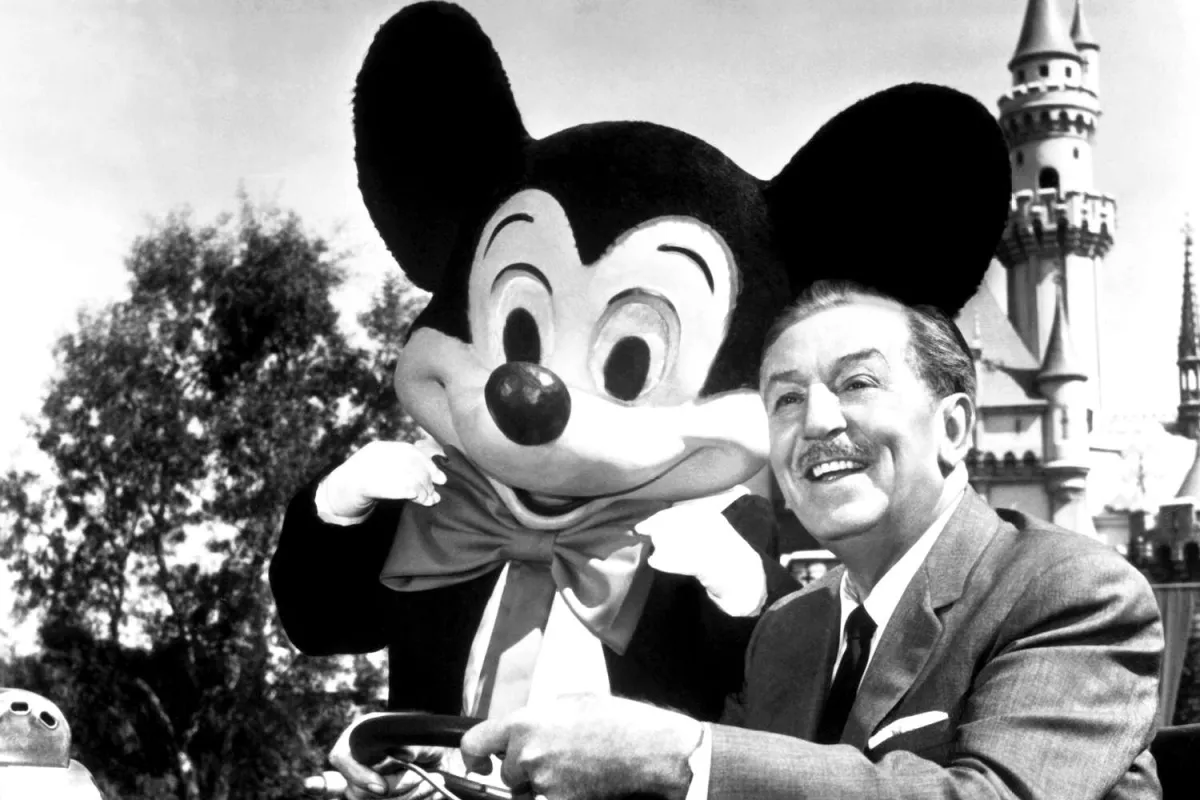 Photo: Walt Disney, via people.com
Walt Disney was 21, broke, and watching his first animation studio crumble into bankruptcy. His business partner had abandoned ship, creditors were circling, and his brother Roy was begging him to get serious about life. The final blow came when Disney couldn't afford the $200 rent for his tiny studio space.
His uncle had connections at a respectable insurance company. The job paid $25 a week—more than Disney had ever earned consistently. All he had to do was give up his "cartoon nonsense" and join the adult world.
Disney spent three sleepless nights walking the streets of Kansas City, seriously considering the offer. Years later, he would describe it as "the closest I ever came to giving up on everything that mattered to me."
The Choice: Disney decided to give himself one more month. If he couldn't find backing for a new studio, he'd take the insurance job. Three weeks later, he secured a small contract that led him to Hollywood.
What We Almost Lost: Not just Mickey Mouse and Snow White, but the entire blueprint for modern entertainment. Disney's innovations in animation, theme parks, and family entertainment created a multi-billion dollar industry and influenced how we tell stories to children worldwide.
2. When Oprah Winfrey Nearly Chose Law School Over Television
The Moment: Spring 1976, Nashville
 Photo: Oprah Winfrey, via featuredleaders.com
Oprah Winfrey was 22 and facing the biggest decision of her young life. She'd been accepted to law school and had a clear path mapped out: graduate, join a prestigious firm, build a stable, respectable career. Her professors at Tennessee State University were unanimous in their advice: television was too unpredictable for a young Black woman trying to build a serious career.
Meanwhile, a local TV station had offered her a weekend anchor position. The pay was decent, but everyone knew television was fickle. Today's anchor could be tomorrow's unemployed dreamer.
Winfrey's mentor, Dr. Janet Brice, put it bluntly: "You have the brains for law school. Television will chew you up and spit you out."
The Choice: Winfrey was literally filling out her law school enrollment paperwork when she stopped, mid-sentence. "I realized I was planning someone else's life," she later said. She chose television.
What We Almost Lost: The most influential media personality of the late 20th century. Winfrey's approach to broadcasting—intimate, empathetic, unafraid of difficult topics—revolutionized daytime television and created a template for authentic media that influences everything from podcasts to social media today.
3. The Night Stephen King Almost Threw Away 'Carrie'
The Moment: Spring 1973, Orono, Maine
Stephen King was 25, teaching high school English for $6,400 a year, and living in a rented trailer with his wife and two young children. He'd been writing for years, collecting rejection slips like some people collect stamps. His latest project—a story about a teenage girl with telekinetic powers—felt like another dead end.
After struggling with the female protagonist's voice for weeks, King crumpled up the pages and threw them in the trash. His wife Tabitha was working at Dunkin' Donuts to help make ends meet. Maybe it was time to focus on teaching, get serious about building a stable career in education.
King had actually started researching master's degree programs when Tabitha fished the crumpled pages out of the trash. "This is good," she told him. "You should finish it."
The Choice: King almost ignored his wife's advice. Teaching felt safer than chasing another rejection. But Tabitha kept pushing, and King reluctantly returned to the story.
What We Almost Lost: Not just 'Carrie,' but the entire modern horror genre as we know it. King's success opened doors for countless other writers and established horror as a legitimate literary category. His influence extends far beyond books into film, television, and popular culture.
4. When Julia Child Nearly Became a Government Secretary Forever
The Moment: August 1948, Paris
Julia Child was 36, married to a diplomat, and desperately bored with her role as a diplomatic wife. She'd spent the war years working for the Office of Strategic Services (forerunner to the CIA) and had proven herself capable of serious, important work.
Now the State Department was offering her a permanent position in their administrative corps. The job came with security clearance, a pension, and the respect that came with being a career government professional. Her husband Paul supported whatever she wanted to do, but everyone else in her life was clear: take the government job.
Cooking was just a hobby. No serious woman built a career around recipes.
The Choice: Child was filling out the government paperwork when she had what she later called her "lightbulb moment." She realized she'd rather fail at something she loved than succeed at something that bored her.
What We Almost Lost: The transformation of American cooking. Child's approach to French cuisine—demystifying complex techniques for home cooks—changed how Americans thought about food. Her influence extends from cookbook publishing to food television to the entire farm-to-table movement.
5. The Day Michael Jordan Almost Quit Basketball for Baseball
The Moment: Summer 1978, Wilmington, North Carolina
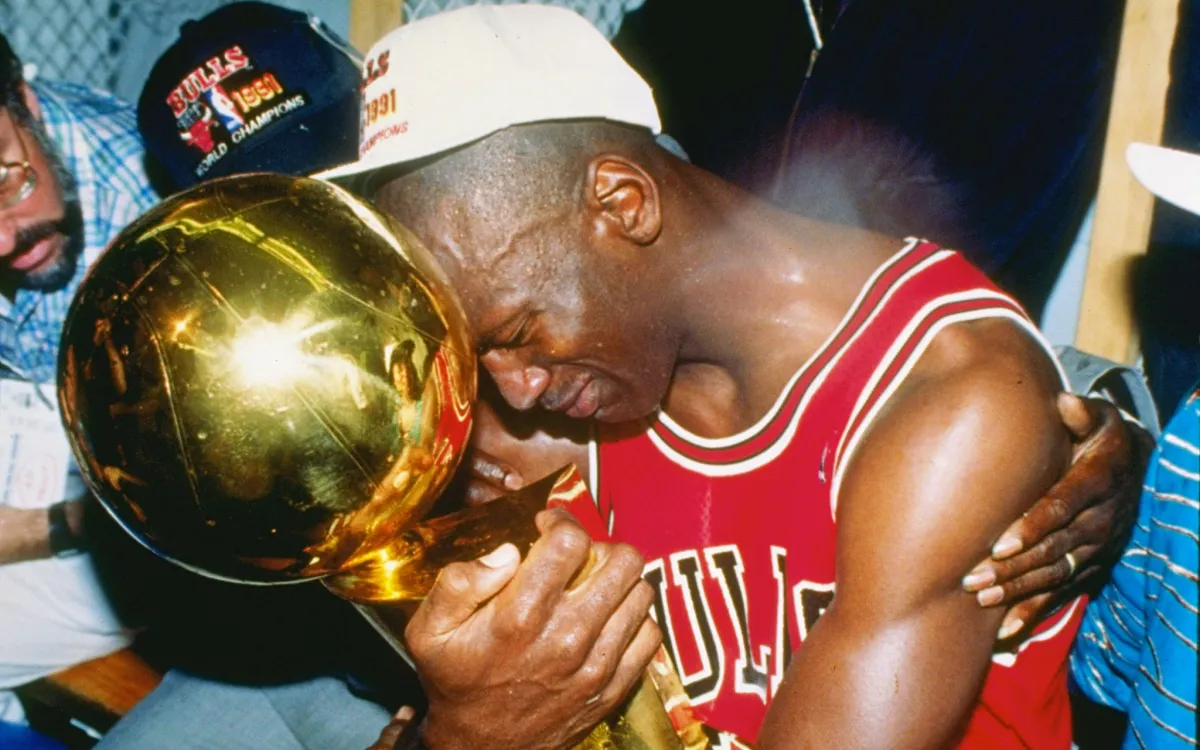 Photo: Michael Jordan, via a3.espncdn.com
Michael Jordan was 15 and had just been cut from his high school varsity basketball team. The coach told him he was too short and not skilled enough. Meanwhile, Jordan was excelling at baseball and had caught the attention of several college scouts.
His father, James Jordan, was a baseball fan who saw more stability in his son's baseball future. "Basketball players are a dime a dozen," he told Michael. "Good baseball players can always find work."
Jordan spent the entire summer of 1978 seriously considering giving up basketball. He was tired of being told he wasn't good enough, tired of being the last kid picked for pickup games.
The Choice: Jordan's mother, Deloris, convinced him to try out for the junior varsity team instead of quitting altogether. "One more year," she said. "Give yourself one more year."
What We Almost Lost: Not just the greatest basketball player of all time, but the global transformation of sports marketing and athletic celebrity. Jordan's career changed how we think about sports, branding, and international marketing.
The Pattern Behind the Magic
Each of these near-misses reveals something crucial about how greatness actually develops. The moment when conventional wisdom screams "play it safe" is often exactly when the future is being decided. These legends didn't succeed despite rejecting the safe choice—they succeeded because they rejected it.
The world is full of people who chose security over passion, who listened to the voices that said "be practical" instead of the whisper that said "be extraordinary." We'll never know what we lost when those people chose the safe path.
But we do know what we almost lost when these five chose differently. Sometimes the most dangerous thing you can do is play it safe.