Benched, Cut, and Crowned: Five Sports Legends Who Conquered From the Sidelines
The Rejects Who Rewrote the Rulebook
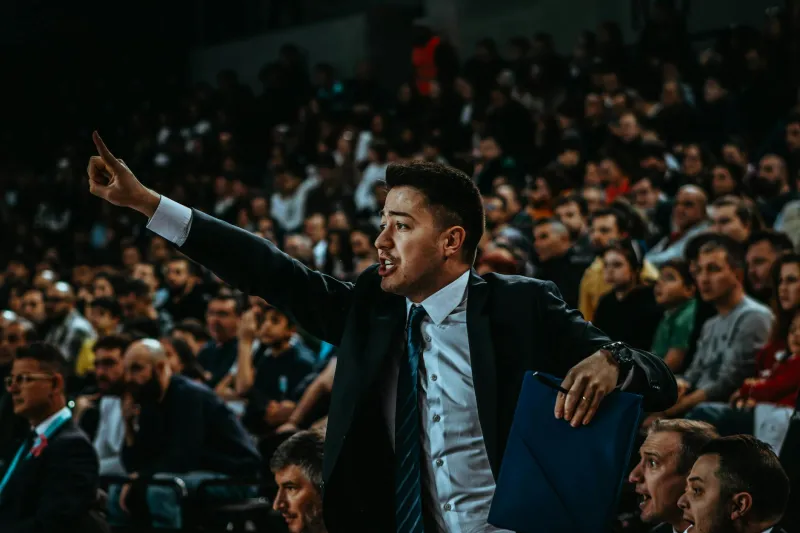
In sports, getting cut is supposed to be the end of the story. Pack your gear, turn in your jersey, find another dream. But for some people, rejection is just the opening chapter of a much bigger tale—one where the kid who couldn't make varsity becomes the coach who creates champions, or the benchwarmer transforms into the voice of an entire sport.
These five legends prove that sometimes the best seat in the house isn't on the field at all.
Phil Jackson: The Benchwarmer Who Became Basketball's Zen Master
Phil Jackson's playing career reads like a cautionary tale. Drafted by the New York Knicks in 1967, he spent most of his time watching from the bench, averaging a forgettable 6.7 points per game across eleven seasons. Teammates called him "The Mop" because he only saw action when games were already decided—time to mop up.
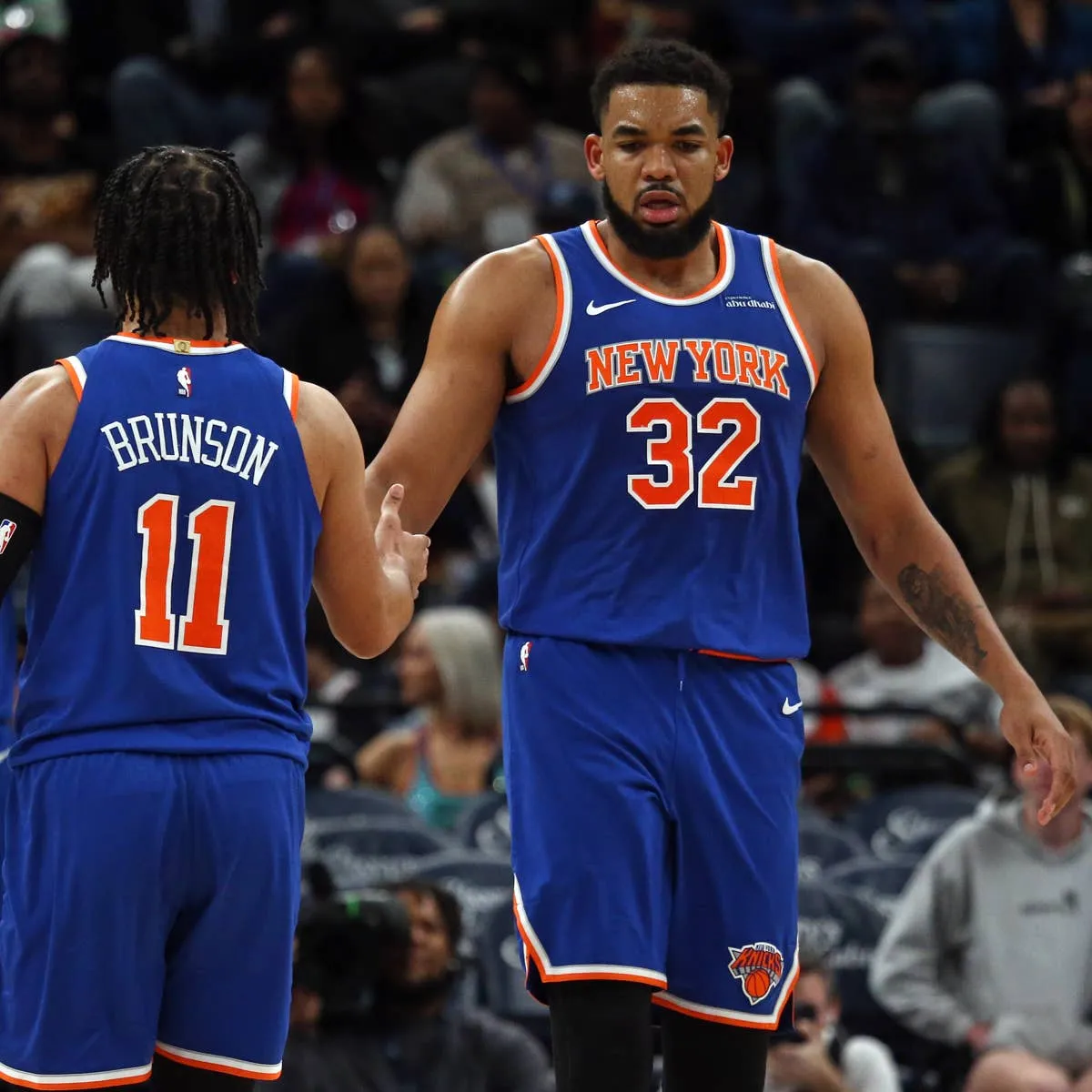 Photo: New York Knicks, via athlonsports.com
But those bench years taught Jackson something invaluable: how to see the game from the outside. While star players focused on their individual performance, Jackson studied team dynamics, player psychology, and the subtle rhythms that separated great teams from merely talented ones.
As a coach, that perspective transformed basketball. Jackson's triangle offense and Zen-influenced leadership style led to eleven NBA championships—six with the Chicago Bulls, five with the Los Angeles Lakers. The player nobody noticed became the coach everybody wanted to copy.
John Madden: From Oakland Reject to America's Football Voice
John Madden's NFL playing career lasted exactly zero games. A knee injury in training camp ended his dreams before they began, leaving a young man from California with nothing but an encyclopedic knowledge of football and no apparent way to use it.
Instead of walking away, Madden reinvented what it meant to be part of the game. He became a coach at age 32, leading the Oakland Raiders to a Super Bowl victory and becoming the youngest coach ever to reach 100 wins. But his real genius emerged in the broadcast booth.
Madden's colorful commentary and genuine enthusiasm made NFL games accessible to millions of casual fans. His video game franchise became a cultural phenomenon, introducing entire generations to football strategy. The man who never played a down became the sport's most recognizable ambassador.
Casey Stengel: The Failed Player Who Became Baseball's Greatest Storyteller
Casey Stengel's playing career was mediocre at best—a .284 lifetime batting average across fourteen seasons, mostly remembered for occasional antics rather than athletic achievement. By the time he retired as a player in 1925, most people had forgotten he existed.
But Stengel's real education was just beginning. As a manager, he transformed the New York Yankees into a dynasty, winning ten pennants and seven World Series in twelve seasons. His secret weapon? An uncanny ability to understand what made each player tick.
Stengel's famous "Stengelese"—his rambling, seemingly nonsensical way of speaking—actually masked a brilliant strategic mind. He could manage egos, rotate lineups, and motivate superstars precisely because he'd learned to see baseball from every angle except stardom.
Bill Belichick: The Special Teams Coordinator Who Conquered Everything
Bill Belichick never played professional football. His path to greatness began in the most unglamorous corner of the sport: special teams coordination. While other coaches chased offensive innovation or defensive schemes, Belichick mastered the forgotten third of football that most people ignored.
That attention to overlooked details became his trademark. As head coach of the New England Patriots, Belichick built a dynasty on preparation, adaptation, and finding advantages in places other coaches never bothered to look. Six Super Bowl victories later, the man who started with punt coverage had redefined what it meant to be a football genius.
Vin Scully: The Kid Who Couldn't Play Became the Voice of Summer
Vin Scully loved baseball but possessed zero athletic talent. Growing up in the Bronx, he knew he'd never make it as a player. Instead, he found another way into the game: words.
 Photo: Vin Scully, via s7d2.scene7.com
Scully's 67-year broadcasting career with the Brooklyn and Los Angeles Dodgers became the longest tenure of any broadcaster with a single team in professional sports history. His poetic play-by-play and storytelling genius made him more beloved than most Hall of Fame players.
Generations of fans experienced baseball through Scully's voice, learning to love the game's rhythms and nuances through his gentle narration. The boy who couldn't play became the man who taught America how to watch.
The View From the Bench
What united these five legends wasn't athletic ability—it was perspective. Being on the outside forced them to understand sports differently, to see patterns and possibilities that players and traditional coaches missed. Their rejection became their education, teaching them that sometimes the most powerful position isn't center stage.
In a culture obsessed with natural talent and instant success, these stories remind us that the most lasting contributions often come from those who had to find another way in. They prove that loving something deeply can be more powerful than doing it naturally—and that the bench sometimes offers the best view of greatness.