From Rejected to Respected: Five Hall of Famers Who Were Shown the Door First
In the ruthless world of American sports, first impressions can make or break careers. Coaches size up talent in minutes, scouts dismiss potential in seconds, and selection committees seal fates with a simple "no." But sometimes, the greatest champions are forged in the fire of rejection itself.
These five Hall of Famers know that humiliation all too well. They were cut, overlooked, and written off before they ever had a real chance. Their stories prove that in sports, as in life, the most devastating defeats often precede the most spectacular victories.
Michael Jordan: The Cut That Created a Champion
The most famous rejection in basketball history happened on a Tuesday afternoon in 1978 at Emsley A. Laney High School in Wilmington, North Carolina. Sophomore Michael Jordan stood in front of the varsity basketball roster, scanning for his name among the fifteen players who made the team.
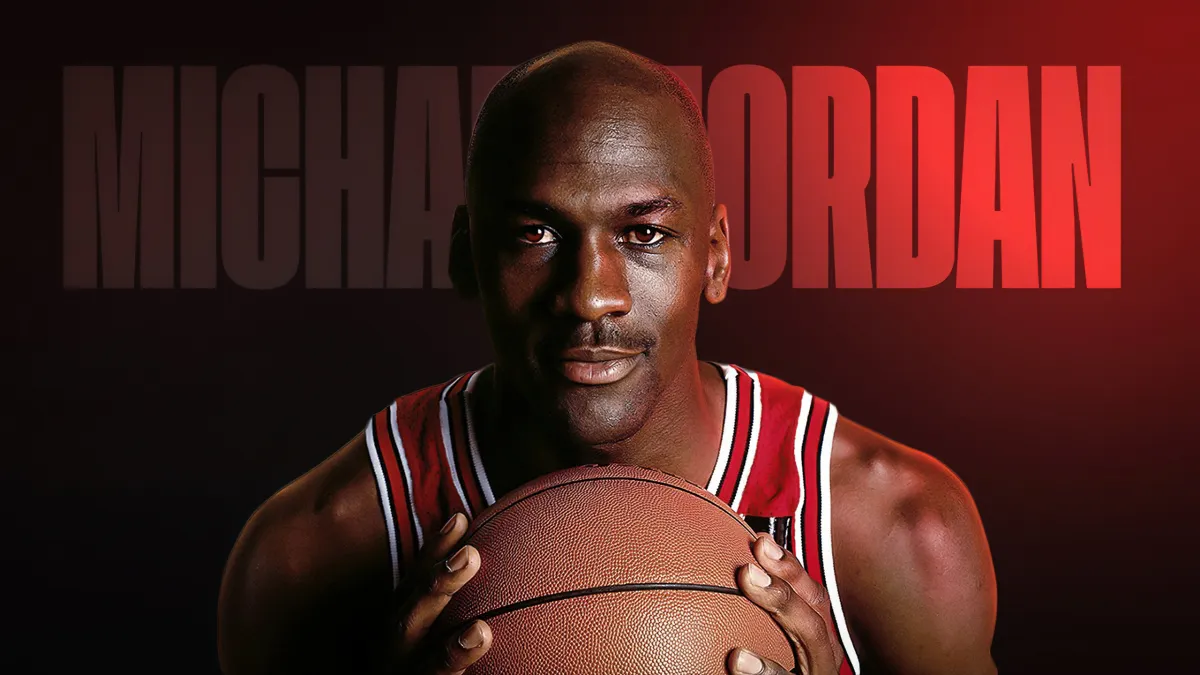 Photo: Michael Jordan, via 4kwallpapers.com
It wasn't there.
Coach Clifton "Pop" Herring had chosen Leroy Smith instead — a decision that would haunt him for decades. Smith was taller, the reasoning went, and Jordan was too small for varsity competition. The future greatest basketball player of all time was relegated to junior varsity, where he would spend countless hours after practice shooting alone in the gym.
"I wanted to make sure you never cut me again," Jordan later told a coach. That burning motivation fueled six NBA championships, five MVP awards, and a legacy that transformed basketball into a global phenomenon. Sometimes the best revenge is becoming impossible to ignore.
Johnny Unitas: The Reject Who Rewrote the Quarterback Position
In 1955, Johnny Unitas was just another hopeful at the Pittsburgh Steelers training camp. The quarterback from the University of Louisville had been drafted in the ninth round — almost an afterthought. But even that modest opportunity vanished when the Steelers cut him before the season began without giving him a single chance to throw a pass in a real game.
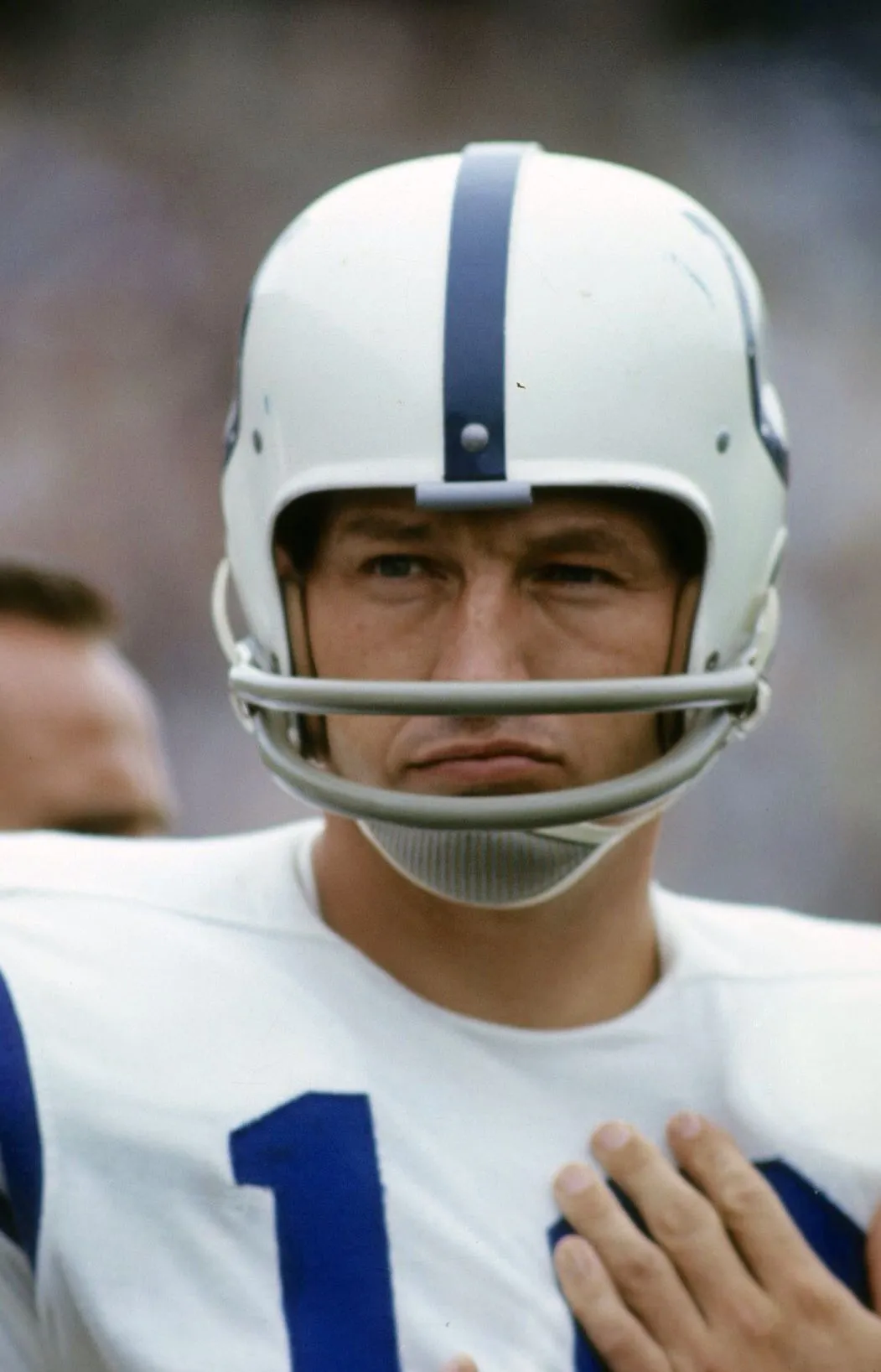 Photo: Johnny Unitas, via i.pinimg.com
Unitas returned to Pittsburgh and took a job on a construction crew, earning $6 per hour while playing semi-professional football for the Bloomfield Rams on weekends for $6 per game. For an entire year, the future Hall of Famer mixed concrete and carried steel beams, wondering if his NFL dreams were already over at age 22.
Then Baltimore called. The Colts needed a backup quarterback, and Unitas's semi-pro performance had caught their attention. He would go on to throw for over 40,000 yards, win three NFL championships, and revolutionize the quarterback position with his fearless pocket presence and laser-accurate arm. The construction worker became the architect of modern passing offenses.
Scottie Pippen: From Overlooked to Unforgettable
When Scottie Pippen graduated from Hamburg High School in Arkansas, exactly zero Division I colleges offered him a basketball scholarship. Standing 6'1" and weighing barely 150 pounds, he was considered too small and too weak for major college basketball.
Pippen enrolled at the University of Central Arkansas — a small NAIA school where he hoped to walk on to the basketball team. Even there, he nearly didn't make the cut. The coaching staff was skeptical about his size and strength, viewing him as a long shot at best.
But Pippen grew six inches in college and developed a work ethic that bordered on obsession. By his senior year, he had transformed himself into an NBA prospect. The Chicago Bulls selected him fifth overall in 1987, where he would become Michael Jordan's perfect partner, winning six NBA championships and earning recognition as one of the greatest small forwards in basketball history.
Kurt Warner: The Grocery Store Stock Boy Who Stocked Up on Glory
Kurt Warner's path to the Hall of Fame included a detour through the cereal aisle at Hy-Vee grocery store in Cedar Falls, Iowa. After going undrafted out of Northern Iowa in 1994, Warner was invited to the Green Bay Packers training camp but was cut before the season began.
With no NFL options, Warner took a job stocking shelves for $5.50 per hour while playing arena football on weekends. For three years, he loaded trucks, organized inventory, and wondered if his NFL dreams were just fantasies. Customers had no idea they were asking the future Super Bowl MVP where to find the breakfast cereal.
Warner's break came when he joined NFL Europe, then the St. Louis Rams as a backup. When injuries created opportunity, the grocery store clerk became "The Greatest Show on Turf," leading the Rams to a Super Bowl victory and earning two MVP awards. His journey from stock boy to superstar became one of the NFL's most inspiring stories.
Roberto Clemente: The Prospect Who Almost Wasn't
In 1952, eighteen-year-old Roberto Clemente attended a Brooklyn Dodgers tryout in his native Puerto Rico. The Dodgers scouts were impressed by his speed and arm strength, but they had concerns. Clemente was raw, they concluded, and needed significant development. Rather than sign him immediately, they told him to keep playing amateur ball and maybe they'd take another look.
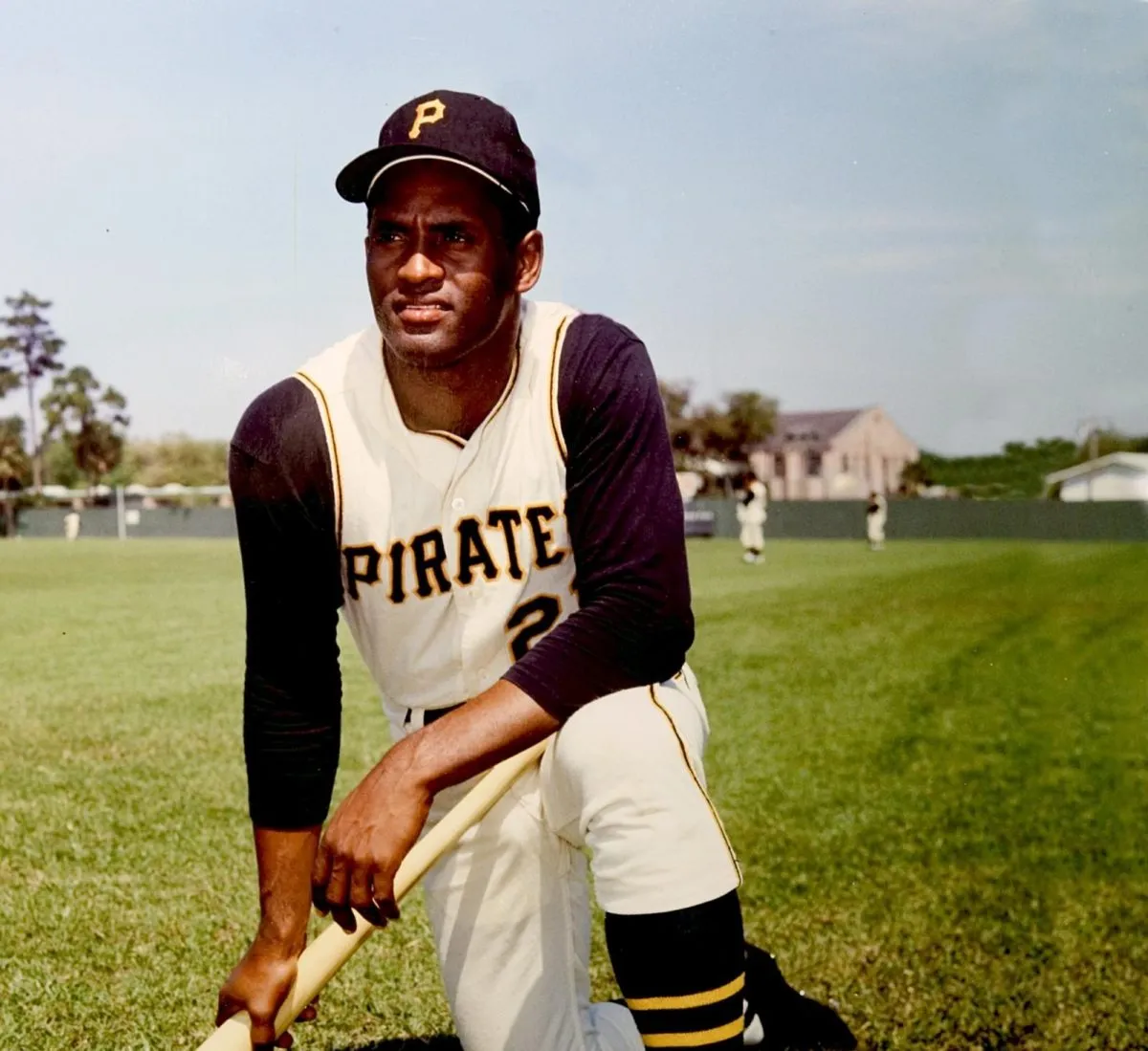 Photo: Roberto Clemente, via oberlinreview.org
Clemente was crushed. The Dodgers were his favorite team, and he had dreamed of playing in Brooklyn alongside Jackie Robinson. The rejection felt like a door slamming shut on his major league aspirations.
Fortunately, Pittsburgh Pirates scout Clyde Sukeforth was also at the tryout. He saw what the Dodgers missed — not just talent, but fire. The Pirates signed Clemente, and he would go on to collect exactly 3,000 hits, win four batting titles, and become the first Latino player inducted into the Baseball Hall of Fame.
The Common Thread
What connected these five champions wasn't their natural talent — plenty of naturally gifted athletes never make it past high school. What set them apart was their response to rejection. Instead of accepting others' limitations, they used humiliation as fuel.
Each transformed their moment of greatest disappointment into their greatest motivation. They proved that in American sports, where you start matters far less than where you refuse to stop. Sometimes the most important victory happens long before anyone's keeping score.