Late Bloomers: The Billion-Dollar Empires That Started After 50

The Myth America Believes About Success
We're obsessed with young founders. Every magazine cover celebrates the 25-year-old CEO, the college dropout billionaire, the teenage app developer who "disrupted everything." But some of the most transformative companies in American history were built by people who society had already written off as too old to matter.
Here are six fortunes that prove age is just the starting line, not the finish.
1. Laura Ingalls Wilder: From Failed Farmer to Literary Legend at 65
When Laura Ingalls Wilder sat down to write her first book at age 65, she was broke. The Great Depression had wiped out her Missouri farm, her husband was in poor health, and she had no writing experience beyond local newspaper columns.
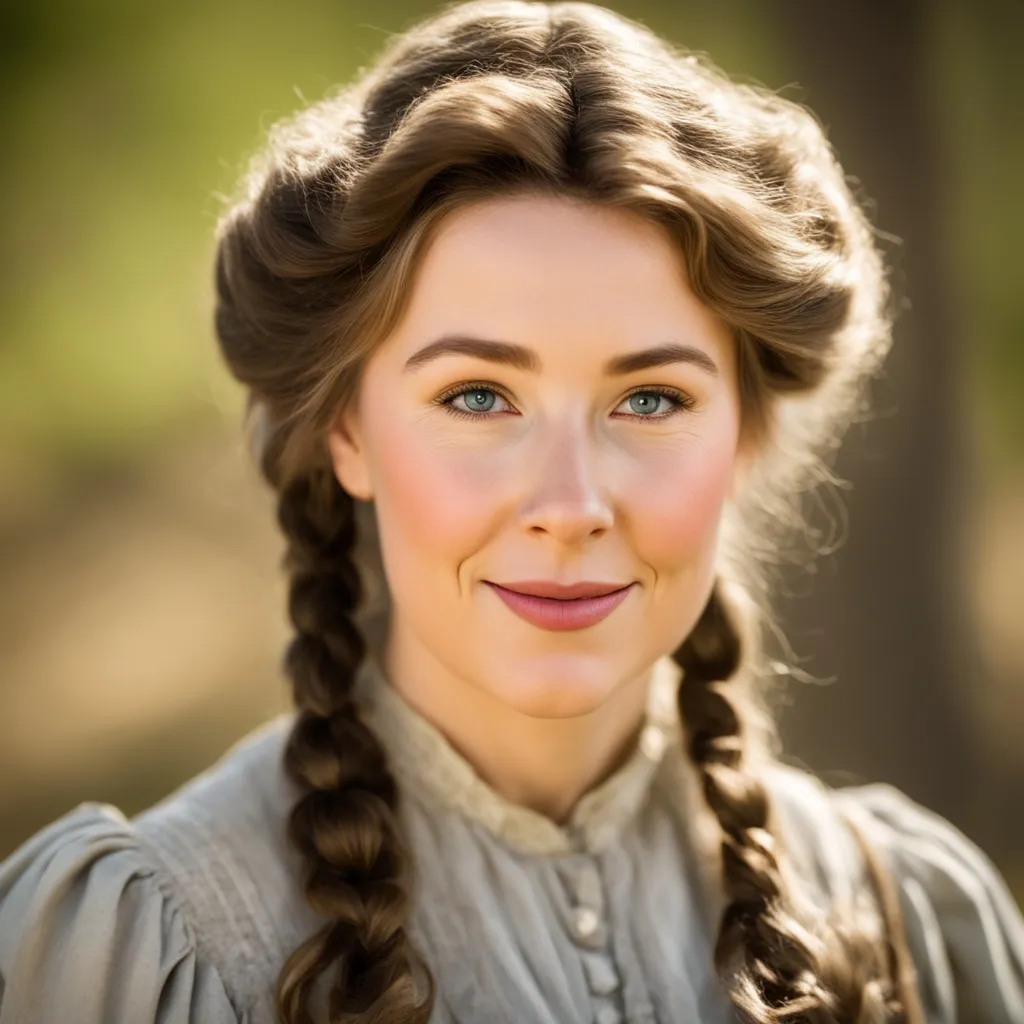 Photo: Laura Ingalls Wilder, via images.deepai.org
Publishers initially rejected her manuscript about frontier childhood, calling it "too old-fashioned" for modern readers. Wilder spent two years revising, learning the craft of storytelling from scratch. "Little House in the Big Woods" was finally published when she was 67.
The Little House series became one of the most successful children's book franchises in history, selling over 60 million copies worldwide. Wilder proved that sometimes you have to live a whole life before you're ready to tell its story. Her "late start" gave her something no young writer could offer: the wisdom of genuine experience.
2. Harland Sanders: The Colonel Who Refused to Retire at 62
Colonel Sanders was actually broke when he "started" KFC. At 62, his restaurant had failed, he was living on Social Security, and everyone expected him to fade quietly into retirement.
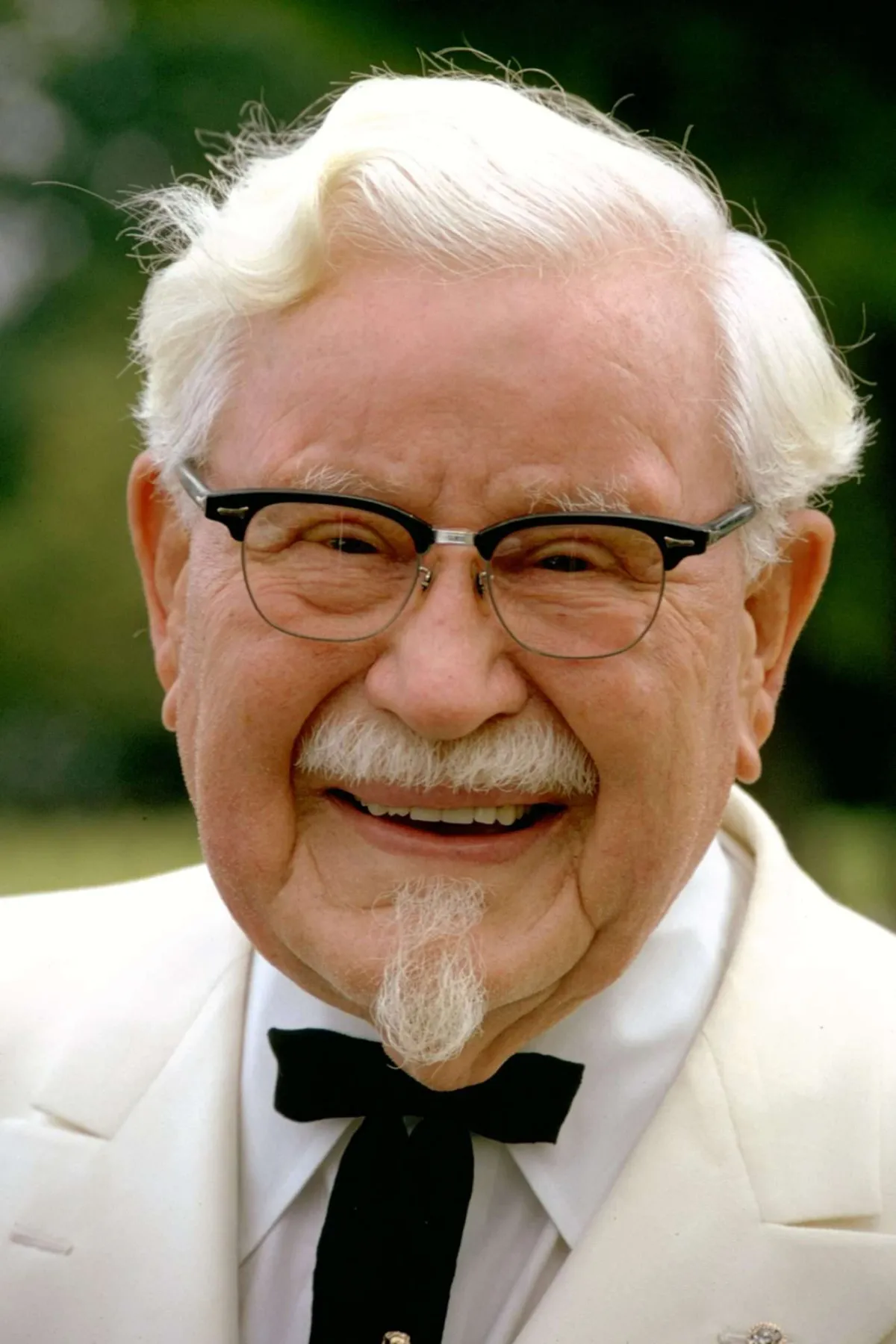 Photo: Colonel Sanders, via ew.com
Instead, Sanders loaded his car with his secret chicken recipe and drove across the country, sleeping in his back seat and cooking samples for restaurant owners. He was rejected 1,009 times before someone said yes. By the time he sold KFC in 1964, Sanders had built a franchise empire worth hundreds of millions.
The secret wasn't just his recipe—it was his refusal to accept that 62 meant "finished." Sanders understood something about persistence that younger entrepreneurs often miss: when you have nothing left to lose, you can take risks that would terrify someone just starting out.
3. Vera Wang: From Vogue Reject to Bridal Empire at 40
Vera Wang spent 17 years climbing the fashion ladder at Vogue, expecting to eventually become editor-in-chief. When she was passed over at age 40, Wang felt like her career was over. Fashion, everyone knew, was a young person's game.
Instead of giving up, Wang used her "failure" as fuel. She opened a small bridal boutique in New York, designing dresses that reflected her sophisticated understanding of what women actually wanted to wear. Her decades of experience in fashion had taught her something crucial: how to spot the gap between what the industry was selling and what customers actually craved.
Today, Vera Wang's empire spans fashion, fragrance, and home goods, worth an estimated $1 billion. Her "late start" gave her something more valuable than youth: perspective.
4. Ray Kroc: The Milkshake Machine Salesman Who Built McDonald's at 52
Ray Kroc was a struggling traveling salesman when he first visited the McDonald brothers' restaurant in 1954. He was 52, divorced, and had failed at multiple business ventures. Most people his age were thinking about retirement, not revolution.
But Kroc saw something the younger McDonald brothers missed: the potential for systematic replication. His years of failure had taught him about operations, quality control, and the importance of consistency—lessons that proved crucial for building a franchise system.
Kroc didn't just buy McDonald's; he reinvented it. His "Hamburger University" and obsessive focus on standardization created the template for modern fast food. By the time he died, McDonald's was the world's largest restaurant chain, and Kroc was worth over $500 million.
5. Julia Child: From Government Secretary to Culinary Icon at 50
Julia Child didn't cook her first meal until she was 36. She didn't publish her first cookbook until she was 50. By conventional wisdom, she was hopelessly late to a career that typically starts in culinary school during your twenties.
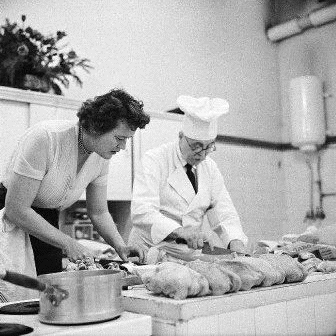 Photo: Julia Child, via www.cheflovers.com
But Child's "late start" was actually her secret weapon. Her years living abroad as a diplomat's wife gave her a sophisticated palate and deep understanding of French culture. Her experience as a government researcher taught her the methodical approach that made "Mastering the Art of French Cooking" so revolutionary.
Child proved that expertise isn't just about starting early—it's about bringing unique perspective to familiar problems. Her cookbook didn't just teach recipes; it taught Americans how to think about cooking differently.
6. Frank McCourt: From Retired Teacher to Pulitzer Winner at 66
Frank McCourt taught high school English for 30 years, dreaming of becoming a writer but never finding the courage to try. When he retired at 66, most people assumed his creative ambitions would remain forever unfulfilled.
Instead, McCourt finally wrote the story he'd been carrying his whole life: "Angela's Ashes," a memoir of his impoverished Irish childhood. The book won the Pulitzer Prize, became an international bestseller, and launched a literary career that lasted until his death at 78.
McCourt's decades of teaching had given him something invaluable: the ability to tell a story that connected with readers. His "late start" wasn't a disadvantage—it was the culmination of a lifetime spent learning how to communicate.
The Real Secret of Late Success
These entrepreneurs didn't succeed despite their age—they succeeded because of it. Their years of experience, their understanding of failure, their freedom from the need to impress others: these weren't obstacles to overcome, but advantages to leverage.
In a culture obsessed with youth, we forget that some kinds of wisdom can only come with time. Sometimes the best moment to start isn't when you're young and fearless, but when you're old enough to know what really matters—and brave enough to bet everything on it.