The Trumpet Didn't Care Where He Came From
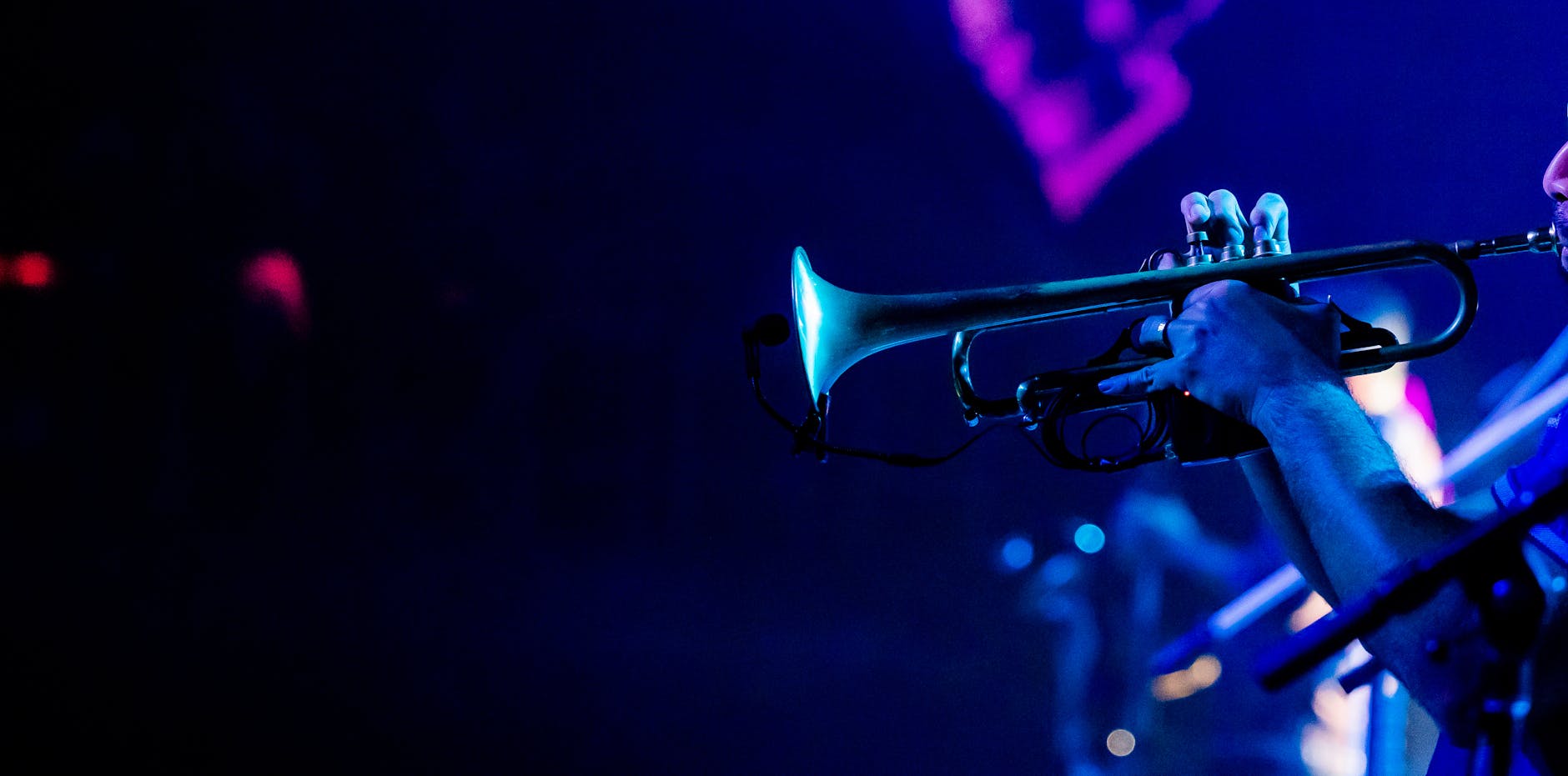
The Trumpet Didn't Care Where He Came From
There's a version of the jazz origin story that gets told a lot — the prodigy, the conservatory, the mentor who spots something special. Chet Baker's story is almost none of that. What it is instead is stranger, sadder, and in its own way, more remarkable.
He was born in Yale, Oklahoma in 1929, which sounds like the setup to a joke until you realize just how far Yale, Oklahoma was from anywhere that mattered in American music. His father was a guitarist who'd never made it, his family moved to California chasing better luck, and Chesney Henry Baker Jr. grew up in a household where money was always the problem and music was always the escape. He taught himself to play by ear. No lessons, no theory, no formal structure. Just the instrument and whatever he could pull out of it.
The Army Did Something Unexpected
At 16, Baker lied about his age and enlisted in the Army. It wasn't a romantic decision — it was a practical one, the kind poor kids make when options are limited. But the Army, almost accidentally, handed him his future. He ended up in a military band, playing alongside musicians who were serious about the craft. He absorbed everything. When he was discharged and re-enlisted a second time, he did it specifically to get back into a band.
By the time he landed in San Francisco in the early 1950s, Baker was playing with an instinct that formal training might have actually complicated. He had no bad habits to unlearn because he'd never been taught the "right" way. He just played. And when alto saxophonist Charlie Parker — one of the architects of modern jazz — needed a West Coast trumpet player for a series of dates, Baker got the call. He was in his early twenties. He had no reputation. He got the gig anyway.
What Parker heard, and what audiences would soon discover, was a tone unlike anything else in the room. Soft where other trumpeters were aggressive. Conversational where others were declarative. Baker played like he was telling you something private.
The Voice That Nobody Expected
Here's where Baker's story takes a turn that no career advisor would have predicted: he started singing.
He wasn't a trained vocalist. He hadn't studied phrasing or breath control in any formal sense. But when Baker sang — that same unhurried, almost weightless quality that defined his trumpet work — something happened to audiences. His 1954 recording of My Funny Valentine became a landmark. Not because it was technically perfect, but because it felt emotionally unguarded in a way that polished performers rarely managed.
Critics at the time struggled to categorize it. Some dismissed it as too soft, too pretty, too lacking in the aggression they associated with serious jazz. Baker won the Down Beat poll for best trumpet player in 1953 and 1954, beating out Miles Davis — and Miles Davis was not a man who lost polls quietly. The jazz establishment had complicated feelings about Baker. Audiences did not.
What his unconventional background had given him, without anyone planning it, was a sound that carried genuine vulnerability. He hadn't learned to hide behind technique because he'd never been taught technique as armor. Every note was a little exposed. That turned out to be exactly what made people lean in.
The Long Freefall
It would be dishonest to tell Baker's story without talking about the decades that followed, because they were brutal. Heroin addiction derailed his career repeatedly throughout the 1950s and 60s. He served time in Italian prisons. He was deported from multiple countries. In 1968, a drug-related assault left him with severe dental damage — a catastrophic injury for a trumpet player, one that many assumed would end his career permanently.
It didn't. He rebuilt his embouchure over years of painful work, returned to performing, and spent the last two decades of his life recording some of the most praised music of his career. A whole new generation of listeners discovered him in the 1970s and 80s, often without knowing anything about the chaos that had preceded the recordings.
He died in 1988, falling from a hotel window in Amsterdam under circumstances that were never fully explained. He was 58.
What the Unlikely Route Actually Produces
There's a temptation, when telling stories like Baker's, to wrap everything into a clean lesson. Struggle builds character. Pain produces art. The reality is messier than that, and Baker's life was messier than most.
But there is something worth sitting with here. The qualities that made his sound so distinctive — the rawness, the emotional openness, the lack of studied polish — were inseparable from the path that produced him. A kid from Yale, Oklahoma who never had the option of a conservatory education had to find a different way in. And the way he found turned out to be one that nobody else had mapped.
The music industry, then as now, has very clear ideas about what a legitimate career looks like and where it begins. Baker's career looked like nothing the industry had planned for. That's probably why, more than three decades after his death, the recordings still sound like nothing else.
Some voices only exist because the conventional doors were never open.